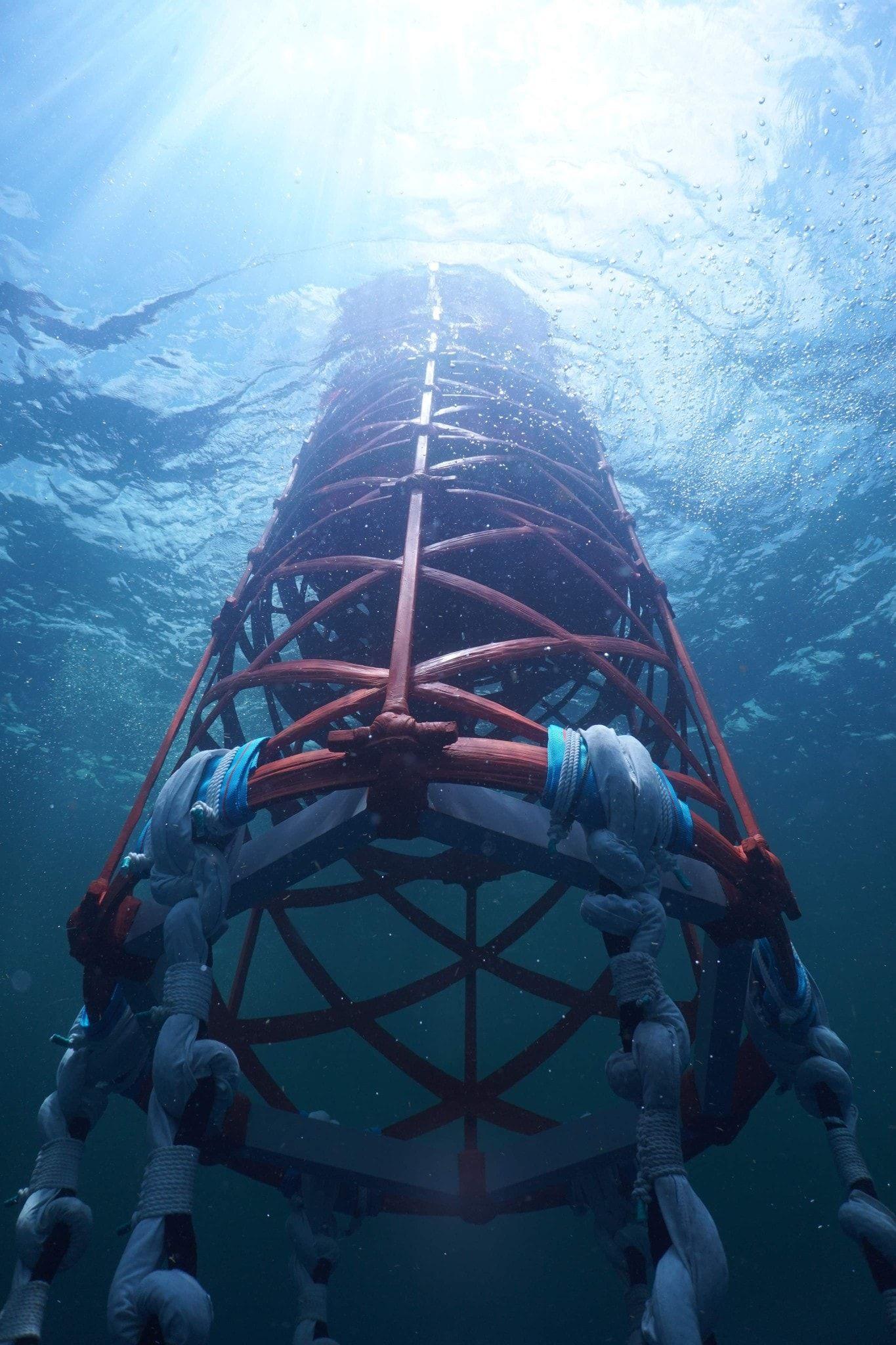
Fish Aggregating Device Buoys
High-quality manufactured Fish Aggregating Device (FAD) buoy systems designed to attract pelagic game fish, enhance offshore sportfishing opportunities, and create durable open-ocean research platforms.
Benefits
About This Product
Reefmaker supplies and deploys Fish Aggregating Devices, also known as FADs, for offshore fisheries enhancement, sportfishing access, and platforms for federal, state, and university-managed fisheries research programs. These high-quality manufactured buoy systems are designed to create a floating oasis in the open ocean, attracting baitfish, ocean life, and prized pelagic game fish.
Reefmaker has developed a partnership with Okabe Co. LTD, a Japanese company with many years of FAD building experience, to supply proprietary FAD designs for Reefmaker to deploy. These systems are recognized for their durability, engineered performance, and ability to withstand demanding offshore conditions, including heavy swell, strong tides, and tropical weather events.
Built for Offshore Performance and Fish Attraction
FADs are designed to create structure and habitat value in open water where little natural cover exists. As marine invertebrates, baitfish, and smaller species begin to establish around the buoy structure, larger predatory fish are drawn to the area. This creates a productive offshore fishing destination for species such as Mahi-mahi, Wahoo, Marlin, and Tuna.
Each FAD is engineered for long-term marine use and offshore stability. The buoy systems are typically around 15 feet tall and secured with heavy concrete anchors, often ranging from 10 to 16 tons depending on the deployment site and performance requirements. This anchoring system helps keep each buoy on station during changing tides, heavy swell, and storm conditions.
Okabe FAD Technology and Durable Construction
Reefmaker utilizes Okabe FAD systems constructed from composite and fiberglass materials. Unlike traditional metal buoy systems, these materials are corrosion-resistant and designed to perform in saltwater environments without rusting. Depending on depth, site conditions, and project requirements, Okabe FADs can be designed for multi-year service life.
The 2020 deployment was designed for a 7-year service life. The eight units deployed in 2025 were designed for a 5-year service life due to the shallower water conditions where they were installed.
Each buoy is supported by a stable mooring system using synthetic fiber ropes. These ropes are lightweight, flexible, and help reduce tension and load on both the buoy and the mooring line. This flexibility improves installation efficiency, safety, and long-term performance compared to more rigid metal-based systems.
Smart Tracking, Safety, and Offshore Visibility
Reefmaker’s FAD deployments can include integrated GPS tracking devices that transmit buoy location data every 12 hours. This allows officials and program managers to monitor buoy performance and quickly recover the buoy system if it becomes loose and drifts off station.
Each unit is also equipped with Coast Guard-approved solar-powered lighting and integrated radar reflection to support mariner safety and improve visibility in offshore conditions. These features help make FAD systems suitable for public fisheries research programs, managed offshore networks, and high-use sportfishing regions.
Strategic Deployment for Sportfishing Access
FADs can be used in state-managed fishing programs to improve offshore fishing access and create reliable fishing destinations. Reefmaker has completed two Okabe FAD deployments offshore Northwest Florida. The first deployment of eight buoys occurred 60 to 80 nautical miles offshore Destin-Fort Walton Beach adjacent to DeSoto Canyon, in 1,500 to 2,500 feet, and were named after Captain Kelly Windes (FAD Buoy Network), who initially proposed this project nearly a decade earlier. As a note, these were the first permitted FADs to be deployed in the continental United States. The second deployment of eight additional buoys was 20 to 25 nautical miles offshore Destin-Fort Walton Beach in 200 to 300 feet of water adjacent to the “edge” natural feature. These closer and shallower FADs provide access to consistent pelagic fishing opportunities to users that are not able to reach further offshore locations. These additional platforms also provide essential research platforms for numerous ongoing fisheries research projects in the region.
Built for Fisheries Enhancement and Long-Term Program Value
Fish Aggregating Devices provide a proven way to improve offshore fishing opportunities, support pelagic species aggregation, and create managed offshore destinations for recreational anglers. By combining Okabe’s proprietary buoy designs with Reefmaker’s deployment experience, these systems offer a durable, trackable, and effective solution for offshore fisheries enhancement.